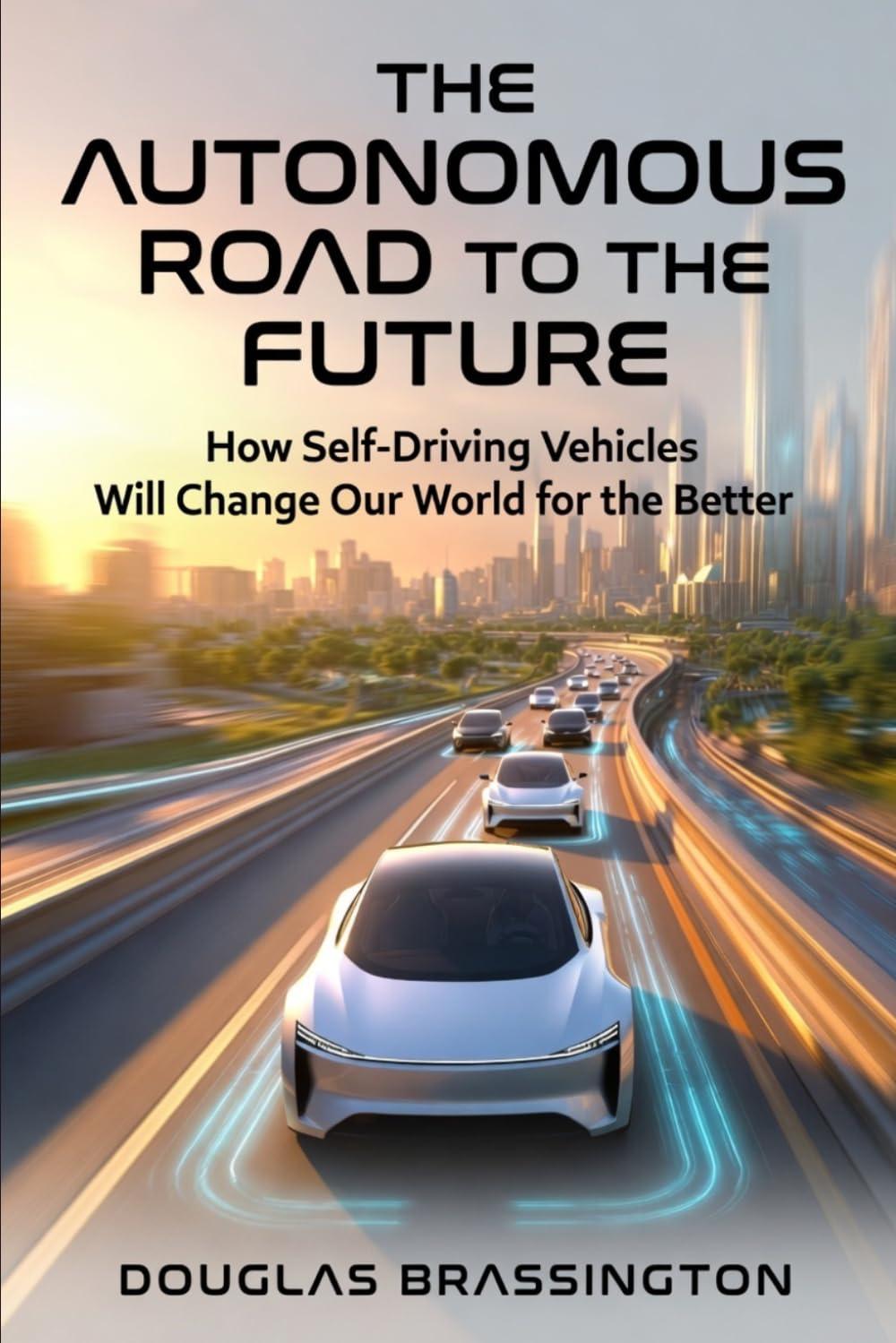
Embarking on the journey through The Road to Autonomy has been nothing short of eye-opening for us. As we delved into its pages, we found ourselves immersed in a compelling exploration of how self-driving vehicles are poised to revolutionize the way we live, workand move through our cities. Drawing from the author’s diverse background-as a former law enforcement officer, futuristand investor-the book offers a balanced yet optimistic view on the rapidly advancing world of autonomous transportation. Throughout our reading, we were struck by the transformative potential these technologies hold: from safer roads and smarter urban spaces to enhanced accessibility and economic efficiencies. Though the hurdles are real, the message resonates clearly-our collective future with autonomous vehicles is not just certain, but profoundly promising. Join us as we unpack how this exciting evolution will shape our daily lives and the world around us.
Table of Contents
Exploring Our Journey Through the Future of Autonomous Vehicles

The


One of the moast compelling insights is about how autonomous vehicles could reduce human-error accidents by up to 90%. Imagine roads that are substantially safer, with fewer crashes and injuries-that’s the promise of self-driving tech. We’re also fascinated by how the shift to Mobility-as-a-Service and robotaxis will reshape urban transportation, freeing up space currently dedicated to parking and opening opportunities for vibrant public spaces. This book makes it easy to see how these innovations could improve mobility, especially for seniors, people with disabilitiesand rural communities.
The journey through this book highlights not only the benefits but the challenges too. Workforce displacement and regulatory hurdles are discussed openly, showing us that a smooth transition will take effort and thoughtful planning. It reassures us that by understanding these issues, we can better prepare for the economic and societal shifts. we feel more confident about the future of autonomous vehicles, knowing that the potential safety, environmentaland societal gains outweigh the obstacles.
For anyone curious about how self-driving tech will shape our cities, economyand daily routines, this book is a must-read. It offers a realistic and optimistic outlook, blending technological insights with societal implications. If you’re ready to explore what’s coming next in transportation, we encourage you to check out this insightful read.Ready to join the future? Get it now on Amazon
Unveiling the Features That Keep Us Moving towards Innovation
The
One standout feature is the vehicle’s ability to dramatically reduce human-error crashes-by as much as 80-90 percent-thanks to advanced collision avoidance systems. This means safer roads for everyone, less stressing drivesand fewer tragic accidents. Moreover, the integration of mobility-as-a-Service functionalities turns the traditional concept of car ownership on its head, transforming commutes into productive or relaxing intervals. The vehicle’s user-pleasant interface and seamless connectivity make it easy for users to harness these features effortlessly, whether for daily work commutes or long-distance travel.
Utilizing long-range sensors and real-time data processing, these vehicles provide an unprecedented level of situational awareness. This not only improves safety but also enhances the overall driving experiance by creating a smoother, more responsive ride. The vehicle’s capacity to adapt to diverse environments-urban centers, rural areasor highways-ensures that it is prepared for real-world challenges. These features collectively act as a powerful catalyst for societal change, paving the way for more inclusive mobility and smarter urban progress.
in addition, the product emphasizes environmental benefits, supporting the transition towards greener transportation options. Its efficiency in optimizing routes and reducing idle times contributes to lower emissions, aligning with global efforts to combat climate change. Of course, such innovation comes with its set of challenges, which the product thoughtfully addresses through openness about infrastructure needs and safety regulations. this vehicle’s features embody the innovation that makes a safer, more connectedand sustainable future not just possible but realistic.
Interested in experiencing this innovation frist-hand? Check the current pricing below:
Ready to take the next step? Buy Now on Amazon
Deep Dive Into the Technology and Safety Measures Shaping Our Commutes
The
When we consider safety measures, it’s unfeasible not to highlight the extensive fail-safes integrated into these systems. Vehicles equipped with autonomous tech undergo rigorous testing, including simulation scenarios and on-road trials, to ensure they can handle unpredictable situations. The AI continually learns and adapts, managing everything from abrupt lane changes to unexpected obstacles. Companies like Tesla and Waymo have invested heavily in redundant safety mechanisms, including emergency braking, collision avoidanceand heightened cybersecurity defenses to prevent hacking and malicious interference. These safety innovations are pivotal in building public trust and ensuring that autonomous vehicles deliver on their promise of safer streets for everyone.
On the performance front, feedback from early adopters indicates a noticeable drop in traffic-related stress and anxiety. The seamless integration of safety features allows drivers and passengers to relax during their commute, with many reporting that their travel time feels more productive and less nerve-wracking. Additionally, the data shows that autonomous vehicles are better at avoiding accidents caused by distracted or impaired drivers, which could lead to an overall decrease in crashes by up to 80-90%. This technological leap not only enhances safety but also shifts our entire perception of what a secure and dependable commute should look like.
Ultimately,the technological advancements and safety systems driving autonomous vehicles forward are setting the stage for a safer,smarter future on our roads. As we continue to develop and refine these innovations, we can look forward to a new era where commuting becomes more predictable, less hazardousand more aligned with our everyday needs. With the ongoing investments and research,we are gradually moving toward a society where self-driving cars are a standard,trusted part of our transportation landscape,making journeys safer and more enjoyable for everyone.
Thoughts and Recommendations for Embracing the road to Autonomy
When exploring “THE ROAD TO AUTONOMY,” it’s clear that self-driving vehicles are poised to revolutionize how we approach transportation and urban living. The book provides an optimistic yet realistic view of this conversion, emphasizing the numerous benefits like safer roads, reduced accidentsand improved accessibility for underserved communities. It’s exciting to think about a future where congestion and human error become less of a concern, thanks to the rapid advancements from companies like Tesla and Waymo. For those of us eager to prepare for what’s coming, understanding these technological shifts is crucial to adapting effectively.
One of the most compelling insights is how autonomous vehicles will shift the economic landscape, especially through Mobility-as-a-Service models and driverless semi-trucks, which could dramatically lower logistics costs and boost productivity. Though, this transition isn’t without its challenges-workforce displacement, regulatory hurdlesand infrastructure changes require careful planning. We recommend staying informed about policies and retraining opportunities while supporting infrastructures that facilitate this shift. Embracing this future involves not only acknowledging the benefits but also actively participating in conversations about responsible implementation and equitable access. The book encourages us to look at these changes as opportunities to innovate and reshape our cities and lifestyles for the better.
Customer Reviews Analysis
Customer Reviews Analysis
As we delved into the feedback from readers of “THE ROAD TO AUTONOMY: How Self-Driving Vehicles Will Change Our World For The Better,” a clear tapestry of perspectives emerged.the responses highlight a mix of enthusiasm,curiosity,and healthy skepticism-hallmarks of a community engaging thoughtfully with this transformative technology.
Positive Perspectives
Many customers appreciated the book’s accessible writing style and extensive coverage of autonomous vehicle technology.Reviewers especially highlighted how the book sparked their imagination about the future, with comments like:
- “An eye-opening read that demystifies self-driving tech.”
- “Made me excited about safer roads and smarter cities.”
- “A must-read for anyone curious about transportation’s future.”
Constructive Criticism
On the other hand, some readers expressed a desire for deeper technical insights or more updated case studies. Their feedback indicates a craving for more technical detail, alongside real-world applications, such as:
- “Would love more on the current challenges in AI validation.”
- “Some sections felt a bit optimistic-more data would help.”
Customer Feedback Summary
To synthesize what we’ve observed,here’s a summary table capturing the core themes from user reviews:
| Aspect | Customer Sentiment | Highlights |
|---|---|---|
| Clarity of content | Positive | Accessible,engaging explanations |
| Depth of Technical Detail | Mixed | Some want more technical insights |
| Inspirational Impact | Positive | encourages thinking about future possibilities |
| Practical Relevance | Mixed | Desire for more real-world examples and case studies |
In sum,the customer reviews reflect a broad gratitude for the book’s optimistic outlook and educational value,balanced by constructive suggestions for future editions. This feedback helps us appreciate the diverse expectations of our readers and the evolving landscape of autonomous vehicle discourse.
Pros & Cons
Pros & Cons
pros
- Optimistic outlook: The book presents a hopeful vision of how self-driving vehicles will enhance safety, accessibilityand urban life, inspiring us to look forward to these advancements.
- Comprehensive scope: We gain insights into various domains-from safety to city planning-highlighting the broad impact of autonomous vehicles.
- Balanced outlook: While mostly optimistic, the author doesn’t ignore challenges, providing us with a realistic understanding of potential hurdles.
- Accessible language: The straightforward prose makes complex technological and societal changes understandable for a wide audience.
- Future-focused: We’re equipped with practical insights on how to adapt to upcoming disruptions,whether as policymakers,investors,or citizens.
Cons
- Optimism may overshadow hurdles: Some readers might feel the optimistic tone minimizes the complexity of regulatory,infrastructural,and societal challenges.
- Limited technical detail: For tech enthusiasts seeking deep dives into the mechanics, the book’s broad overview may feel somewhat superficial.
- Future predictions: As with any forward-looking work, some predicted changes may take longer to materialize or differ from initial expectations.
- Potential bias: The author’s background and optimistic stance might lead to a more favorable portrayal of autonomous vehicle adoption.
| Aspect | Strengths | Limitations |
|---|---|---|
| Scope | Broad coverage of societal and technological impacts | Less focus on technical specifics |
| Tone | Hopeful and inspiring | Could underplay challenges |
| Audience | Accessible for general readers | May lack technical depth for experts |
Q&A
Q&A Section for “”
Q1: Who should read “The Road to Autonomy,” and what can they expect to learn?
A: We believe this book is essential for policymakers,investors,commuters,and anyone curious about the future of transportation. It provides a clear, accessible overview of how autonomous vehicles will reshape our roads, cities, jobsand daily routines-helping us understand both the opportunities and challenges ahead.
Q2: Does the book address the potential downsides of autonomous vehicles?
A: Absolutely. While the author is optimistic about the benefits, he does not ignore the hurdles-like workforce displacement, regulatory challengesand infrastructure needs. He encourages proactive public policy and retraining programs to ensure a smooth transition. This balanced perspective helps us grasp both the promise and the pitfalls.
Q3: How technically detailed is the book? Will I need a background in technology or urban planning to understand it?
A: Not at all. The author writes in straightforward, accessible language, making complex topics understandable without prior expertise.It’s crafted to inform and inspire a broad audience, whether you’re a tech enthusiast or new to the subject.
Q4: What are some of the major societal benefits highlighted in the book?
A: The book emphasizes several key benefits: dramatically safer roads by reducing human error,more efficient use of time through transformed commuting,greater accessibility for seniors and disabled individuals,and city redesigns that prioritize public spaces over parking lots. These changes promise to make our communities more inclusive and vibrant.
Q5: How does the book envision the impact on cities and urban life?
A: The author envisions cities evolving as vast parking lots are repurposed into parks, housingand public spaces. Autonomous vehicles will facilitate better land use, reducing congestion and pollution-creating healthier, more sustainable urban environments.
Q6: Will autonomous vehicles impact my job or local economy?
A: While there’s acknowledgment of potential job disruptions-especially in transportation-the author highlights the creation of new opportunities and economic efficiencies that can raise living standards. He advocates for thoughtful policies like retraining and global basic income pilots to help manage this transition.
Q7: What environmental benefits does the book discuss?
A: The book highlights that autonomous vehicles can lead to reduced emissions through optimized driving patterns and fewer traffic jams. The shift to cleaner, electric autonomous vehicles has the potential to significantly lower our carbon footprint.
Q8: How soon do we expect these changes to happen?
A: The author suggests that within the next two decades, we will see these transformations becoming reality-making the coming years an exciting period of change that we should prepare for now.
Q9: Is this book more of a hopeful vision or a cautious warning?
A: It strikes a balance-presenting an optimistic view of a safer, more efficientand inclusive future while honestly addressing the hurdles. This nuanced perspective helps us appreciate the potential for positive change and motivates us to participate actively in shaping that future.
Q10: Would you recommend this book for someone looking to get involved in autonomous vehicle investment or policy?
A: Definitely. It provides a comprehensive understanding of the technological, societaland economic implications, making it a valuable resource for anyone wanting to be informed and prepared for the coming autonomous revolution.
If you’re keen to explore how self-driving cars will transform everything from your daily commute to the fabric of our cities,”The Road to Autonomy” is an insightful read that demystifies the future in a balanced and engaging way.
Elevate Your Lifestyle
As we conclude our exploration of “THE ROAD TO AUTONOMY,” it’s clear that the journey toward autonomous vehicles promises a future that is safer, more efficientand more inclusive for all of us. The author’s insightful perspectives help us understand not only the unbelievable benefits but also the challenges ahead, reminding us that preparation and thoughtful policy will be key to navigating this transformation successfully. For those of us eager to stay ahead of the curve and understand how self-driving technology will shape our lives and communities, this book offers invaluable clarity and optimism.
If you’re ready to delve deeper into the revolution of autonomous vehicles and imagine the possibilities of tomorrow,don’t miss out on this essential guide.
Discover “THE ROAD TO AUTONOMY” here and join us on the road to a smarter, safer future!