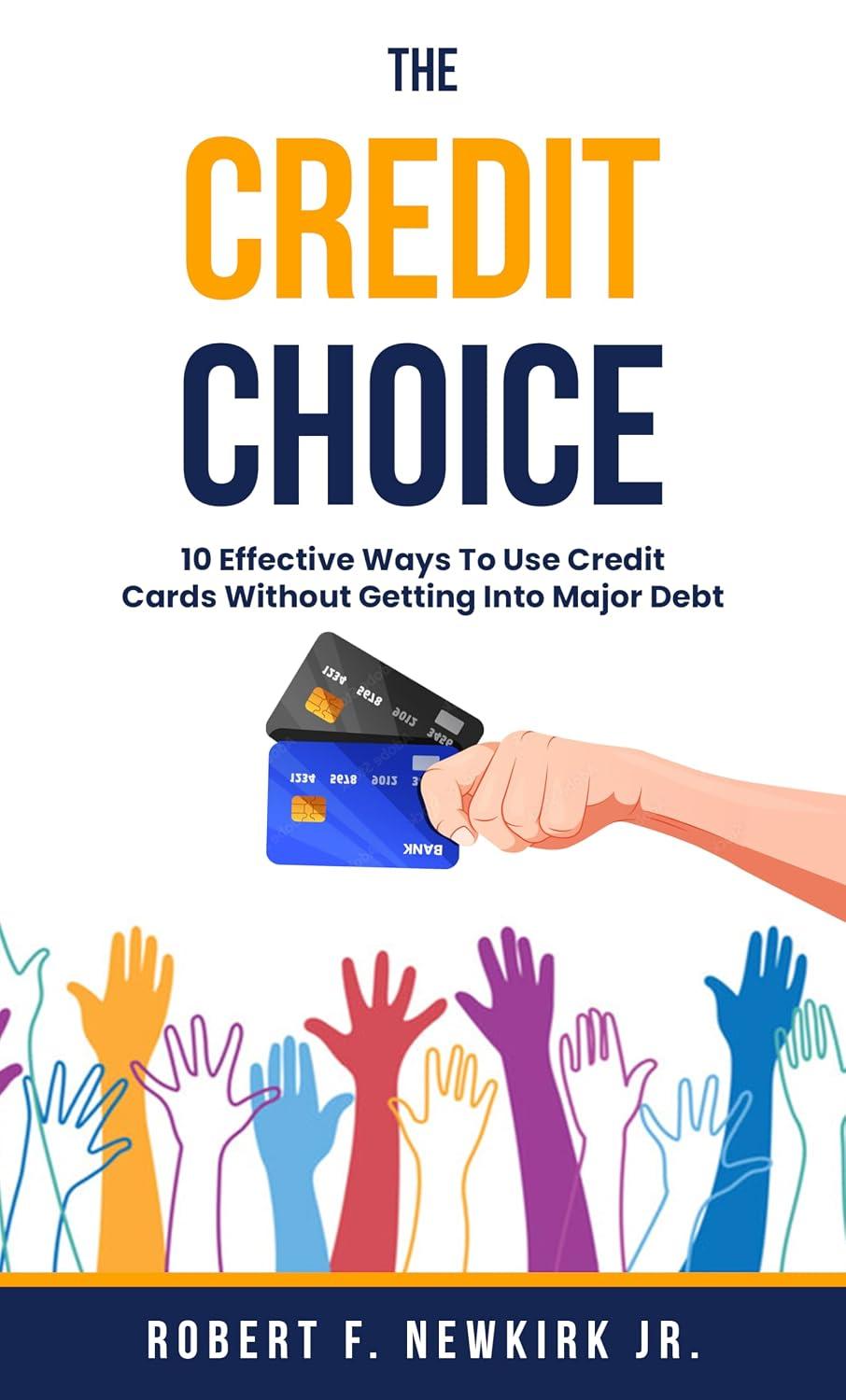
Navigating teh world of credit cards can often feel like walking a tightrope-balancing the convenience of reward programs against the lurking threat of debt. We’ve all heard the myths: that carrying a balance is necessary to build creditor that making only minimum payments can keep us afloat. But what if there was a smarter, more strategic way to harness the power of credit without falling into the common traps? That’s exactly the question “The Credit Choice: 10 Effective Ways To Use Credit Cards Without Getting Into Major Debt” addresses.
In this review, we’ll dive into what makes this guide stand out-its practical approach to transforming credit cards from sources of anxiety into tools for financial growth. We’ve personally explored its insights, from debunking myths to revealing straightforward strategies for managing credit responsibly and maximizing rewards. Whether you’re skeptical, overwhelmedor simply looking for a fresh outlook, this product promises to help you make informed decisions, control your spendingand ultimately regain confidence in your financial journey. Join us as we unpack the key lessons and see whether this concise yet impactful resource can truly steer us toward debt-free success-with credit cards working for us, not against us.
Table of Contents
Understanding the Foundations of Smart Credit Use Among Us

Managing credit wisely starts with a solid understanding of its core principles. The book, The Credit Choice: 10 Effective Ways To use Credit Cards Without Getting Into Major Debt, offers valuable insights into how we can transform our approach to credit cards from stressful tools into strategic assets. It emphasizes that building a healthy credit profile doesn’t mean carrying balances or drowning in interest fees. Instead, it’s about leveraging credit smartly, paying balances in fulland using rewards to our advantage-learning the real foundations of responsible credit use. This perspective helps us see credit not as the enemy, but as a tool we can master.
The book also breaks down common myths that frequently enough lead us astray. Such as, many believe that carrying a balance is necessary for credit building-wrong, as it can trap us in a cycle of debt. Rather, paying on time and clearing balances wholly each month boosts credit scores while keeping interest costs at bay. It reminds us to check our statements regularly, not to ignore surprises or fraudulent chargesand to plan our purchases during promotional interest-free periods. These basics create a robust foundation, helping us avoid pitfalls and develop healthier financial habits.
Understanding these foundational concepts is crucial because it empowers us to make smarter, more informed decisions about credit use. We learn to view credit cards as tools for wealth creation, reward maximizationand cash flow management, rather than stress sources. This mindset shift,supported by the practical strategies shared in the book,is key to developing a long-term,lasting approach to credit. Building this knowledge ensures we aren’t just reacting to bills and statements but actively controlling our financial destiny.
Ready to take control? The challenges of credit management become much easier once we grasp the fundamentals. With the right understanding, we can set ourselves up for success and avoid unneeded debt. To explore more about mastering credit use, check the current pricing below:
- Amazon Kindle Edition
And if we’re ready to put these lessons into action, we can simply click here: get it now on Amazon
Discovering Key Features That Empower Our Financial Choices
When we dive into The Credit Choice: 10 Effective Ways To Use Credit Cards Without Getting Into Major Debt, we instantly notice how it emphasizes key features designed to transform our approach to credit. This book sheds light on strategies that help us see credit cards as tools for wealth creation rather than sources of stress or relentless debt. It explores features like cashback rewards, low-interest ratesand promotional offers that can work in our favor when used wisely. Understanding these features allows us to leverage credit cards for everyday expenses, turning routine purchases into earning opportunities without sacrificing our financial health.
One of the standout points the book discusses is responsible credit card management-specifically, using features like balance reconciliation, tracking statementsand understanding no-interest promotion periods. These features aren’t just technical details; they are powerful tools that, if utilized correctly, can keep us out of debt and help us build a stronger financial future. The insights make it clear that paying balances in full every month, maximizing cashback rewardsand avoiding hidden costs are essential to mastering our credit and transforming our spending habits. This knowledge opens new avenues for smarter financial decisions that foster stability and growth.
By focusing on these key features,we realize that our credit cards can be more than just short-term borrowing mechanisms. Instead, they become strategic allies in managing cash flow, reducing expensesand building a positive credit profile. The book emphasizes how to carefully select cards that match our needs-whether for cashback, low ratesor special promotional offers-and how to use each feature to our advantage. These tools empower us to make informed choices, giving us confidence in our financial journey and helping us avoid common pitfalls that lead to mounting debt.
discovering and harnessing the crucial features of credit cards as presented in this book helps us craft a more disciplined, thoughtful approach to credit use. This enables us to avoid debt traps, optimize rewardsand ultimately achieve greater financial freedom.As we explore these features, it becomes clear that a well-informed strategy is the key to turning credit cards into assets rather than liabilities. For anyone wanting to manage their credit with purpose and confidence,mastering these features is a game-changer.
Unlock the power of your credit cards today and take control of your financial future!
Check Latest PriceDeep Dive into Practical Strategies for Staying Debt-Free
Managing credit cards effectively is key to avoiding major debtand the strategies outlined in The Credit Choice: 10 Effective Ways To Use Credit Cards Without Getting into Major Debt provide actionable tips for real financial freedom. One of the standout tactics is paying off your balance in full every month. This simple habit prevents interest from accumulating and keeps your credit utilization low, which benefits your credit score over time. Instead of seeing your credit card as a ticking debt bomb, we learn to view it as a tool for smart money management. It’s about reprogramming our mindset to leverage credit for wealth building, not debt accumulation.
Another critical strategy is making the most of rebate credit cards,especially those that offer cashback rewards and low interest rates. By intentionally choosing cards with perks that suit our spending habits, we turn ordinary purchases into opportunities for savings. as a notable example, if we regularly shop for groceries or fuel, selecting a card with bonus rewards in those categories can substantially boost our cash back. While it’s tempting to use credit cards impulsively,the book emphasizes strategic planning-taking advantage of no-interest promotional periods and carefully reconciling statements to catch errors early. This approach helps us stay ahead of debt and maintain financial clarity.
Real user insights from the book reveal that consistent monitoring of credit card statements is paramount. Regular checks allow us to detect fraudulent activity promptly and prevent errors from escalating into costly issues. Many readers shared how incorporating this habit drastically reduced their anxiety around credit, giving them peace of mind. The book also advocates for responsible purchasing-using credit cards during no-interest offers and paying balances in full-ensuring our spending aligns with our financial goals. These practical, easy-to-implement strategies make staying debt-free entirely possible when approached with discipline and intentionality.
Pros and Cons of Practical Strategies for Staying Debt-Free
- Pros: Encourages disciplined credit use, helps build a solid credit score, maximizes rewards, prevents unnecessary interest paymentsand promotes proactive financial management.
- Cons: Requires consistent effort, vigilant statement monitoringand upfront planning to avoid temptation and impulsive spending. Some might find it challenging to stick with these habits initially.
Price and Value Analysis
The main product is priced at $4.99,which is a steal considering the wealth of practical strategies it offers. Comparing this to typical financial advice courses or consulting, which can cost hundreds, this book provides valuable insights for just $9.99. For anyone committed to staying debt-free and optimizing credit card usage,this resource offers a high return on investment. The actionable tips and real-life examples make it an excellent choice for beginners and seasoned financial planners alike.
Conclusion
For us, embracing the practical strategies in this book is a game-changer in our journey to financial stability. It demystifies credit card management and gives us clear steps to avoid debt while still earning rewards.If you’re ready to take control of your finances and ditch the cycle of debt, this guide is a perfect starting point. Don’t wait-get your copy today and transform your credit habits for good.
Check the latest price and details here: Buy Now on Amazon
Our Personal Tips for maximizing Benefits and Avoiding Pitfalls
When it comes to using credit cards effectively without falling into the debt trap, knowledge truly is power. We’ve found that setting clear boundaries and understanding how to leverage the key features of credit cards can significantly improve our financial health.The book *The Credit Choice* offers practical advice on how to harness rewards, cashbackand promotional interest periods to make our spending work for us. For example, focusing on credit cards that offer rebates or cashback can turn routine expenses into savings, helping us maximize benefits while avoiding unnecessary costs.
one essential tip we vouch for is paying balances in full every month. This simple act prevents interest charges from piling up and keeps us out of overspending cycles. We also learned the importance of regularly reconciling statements to catch errors or unauthorized charges early, protecting our credit scores and avoiding surprises. Moreover, those “no interest” promotional periods are golden opportunities-if we plan our large purchases carefully, we can enjoy the benefits without risking interest charges or debt traps. By combining disciplined payment habits with strategic purchase planning, we ensure every credit card swipe adds value instead of debt.
It’s easy to fall into the trap of minimum payments or neglecting our credit statements, but these common pitfalls can keep us chained in a cycle of debt. Instead, we embrace the book’s advice on monitoring our credit reports and understanding the real costs of debt, so we stay in control. Building responsible credit habits doesn’t require complex math-just consistent effort and awareness. Following these tips, we can enjoy the advantages of credit cards, like building credit and earning rewards, all while steering clear of costly pitfalls.
Ultimately,the secret to maximizing benefits and avoiding pitfalls lies in strategic planning,disciplined spending,and ongoing education.We recommend taking the time to understand your card’s features and benefits, setting spending limitsand staying vigilant with statement reviews. Before long, using credit cards will feel less like a risk and more like a valuable financial tool. Ready to make smarter credit decisions? Check out *The Credit Choice* for more insights on turning credit cards into your financial allies.
Customer Reviews Analysis
Customer Reviews Analysis
As we explored the feedback from those who have engaged with The Credit Choice: 10 Effective Ways To Use Credit Cards Without Getting Into Major Debt, a few clear themes emerged.our readers appreciated the practical insights and straightforward advice offered in the book,though experiences varied based on individual financial backgrounds.
Positive Takeaways
Many customers found the strategies easy to understand and applicable to their daily credit card usage. Several reviewers highlighted that the tips helped them feel more in control of their finances and less overwhelmed by debt worries.
- Clarity and Simplicity: Readers praised the clear explanations that made complex credit concepts accessible.
- Practicality: Recommendations were seen as doable, with real-world relevance.
- Empowerment: Users reported feeling more confident in managing credit after applying the tips.
Constructive Feedback
While the majority was positive, some customers desired more personalized strategies tailored to specific financial situations. A few mentioned that the book could benefit from additional case studies or examples to illustrate the tips in action.
Overall Sentiment Breakdown
| Sentiment | Description |
|---|---|
| Positive | Helped readers feel more confident and in control of credit habits. |
| Neutral | Appreciated clarity but sought more personalized advice. |
| Constructive | Suggested enhancements like additional real-world examples. |
In sum,the customer feedback paints a picture of a useful,easy-to-digest guide that many find empowering. Our collective takeaway is that this book serves as a reliable starting point for anyone eager to make smarter credit decisions without falling into debt traps.
Pros & Cons
Pros & Cons
Pros
- Empowers Strategic Usage: This guide shifts our perspective, helping us see credit cards as tools for wealth creation rather than debt traps.
- Easy to Implement Tips: The techniques are straightforward, enabling us to reprogram our mindset and habits quickly.
- Focus on Rewards & Savings: We learn how to maximize cashback rewards and low-interest promotions, turning everyday expenses into savings.
- Promotes Responsible Management: Encourages paying balances in full and reconciling statements to avoid unnecessary debt and errors.
- Addresses Common Myths: Dispels false beliefs like needing to carry a balance to build credit, helping us make informed decisions.
Cons
- Requires Discipline: Success depends on our ability to consistently follow the strategies,which may be challenging for some.
- Limited Depth: As a short guide, it may lack detailed plans for complex financial situations.
- Not a One-Size-Fits-All: Some tips might need adaptation based on individual credit situations or spending habits.
- Focus on Education: Primarily educational, so the actual implementation still requires effort and commitment from us.
| Aspect | Strength | Challenge |
|---|---|---|
| Content Clarity | Clear, actionable tips | Requires self-discipline |
| Practicality | Easy to apply strategies | Needs consistent effort |
| Depth of Guidance | Good starting point | Limited for complex finances |
Q&A
Q&A Section for “The Credit Choice: 10 Effective Ways To Use Credit Cards Without Getting Into Major Debt”
Q1: Will I really be able to build my credit score without carrying a balance or paying high interest?
A: Absolutely. our guide dispels the myth that you need a balance to build credit. We show how responsible use of your credit card-like paying in full each month and managing your spending-helps you establish and improve your credit score without unnecessary interest payments.
Q2: Is paying only the minimum balance enough to stay out of debt?
A: Not at all. While minimum payments keep your account current momentarily, they can trap you in a cycle of debt due to accruing interest. Our tips emphasize paying your balance in full whenever possible and avoiding the minimum payment trap.
Q3: How important is it to check my credit card statements regularly?
A: Very important. Regularly reviewing your statements helps you monitor your spending, verify accuracyand catch fraudulent charges early. We recommend establishing a monthly routine to safeguard your financial health.
Q4: My credit cards are my main way of managing expenses. Can I do this responsibly?
A: Yes. The guide teaches strategic ways to use credit cards for daily expenses-especially those with cashback and no-interest promotions-while maintaining control and avoiding debt accumulation.
Q5: I don’t trust my spending habits-won’t I just overspend again?
A: Self-control is keyand the book offers practical tools to reprogram your mindset and habits. Understanding your spending triggers and setting limits helps you stay accountable and confident in your credit card use.
Q6: Are rewards and cashback credit cards really worth it?
A: Definitely. When used wisely, rebate credit cards can turn everyday purchases into savings. Our guide explores how reward programs can benefit your financial goals if managed responsibly.
Q7: What if I struggle to stick to a budget or control my spending?
A: The book emphasizes knowledge and accountability as essential. We provide strategies to develop disciplined habits and build a mindset that supports smart credit card management, making it easier to stay on track.
Q8: Can these tips work even if I feel overwhelmed by debt or past mistakes?
A: Yes. Many readers have transformed their financial outlooks by understanding these principles. Our guide helps you recognize and correct negative patterns, paving the way toward greater financial stability.
Q9: How do I avoid the hidden costs associated with credit card debt?
A: By understanding the charges that come with carrying balances, such as interest and feesand by paying off your balances in full, you can steer clear of these hidden costs. Our tips give you a clear roadmap to defend your finances.
Q10: Is this guide suitable for teenagers or young adults just starting to learn about credit?
A: Absolutely. With a straightforward and approachable style, the guide is designed to educate young adults and teens aged 12-18 about responsible credit card use, setting them up for a lifetime of healthy financial habits.
If you have more questions or want to start your journey toward stress-free credit card management, our advice and strategies in this book can help you reclaim your financial independence. Ready to make a smart choice? Click “Add to Cart” and take control today!
Elevate Your Lifestyle
As we wrap up our exploration of “The Credit Choice: 10 Effective Ways To Use Credit Cards Without Getting Into Major Debt,” it’s clear that mastering credit management isn’t just about avoiding pitfalls-it’s about transforming the way we view and utilize our financial tools. By applying the tips and strategies shared, we can step confidently towards financial stability, making credit cards work in our favor rather than against us.
Remember,change begins with awareness and a willingness to adopt smarter habits. Whether you’re looking to eliminate unnecessary debt,maximize rewards,or simply gain better control over your finances,this guide provides the insights you need to make informed decisions. Let’s commit to taking these lessons seriouslyand watch as our financial health improves, one responsible choice at a time.
Ready to make a decisive move towards stress-free credit management? Click here to get your copy of *The Credit Choice* and start transforming your financial future today: Buy The Credit Choice Now.