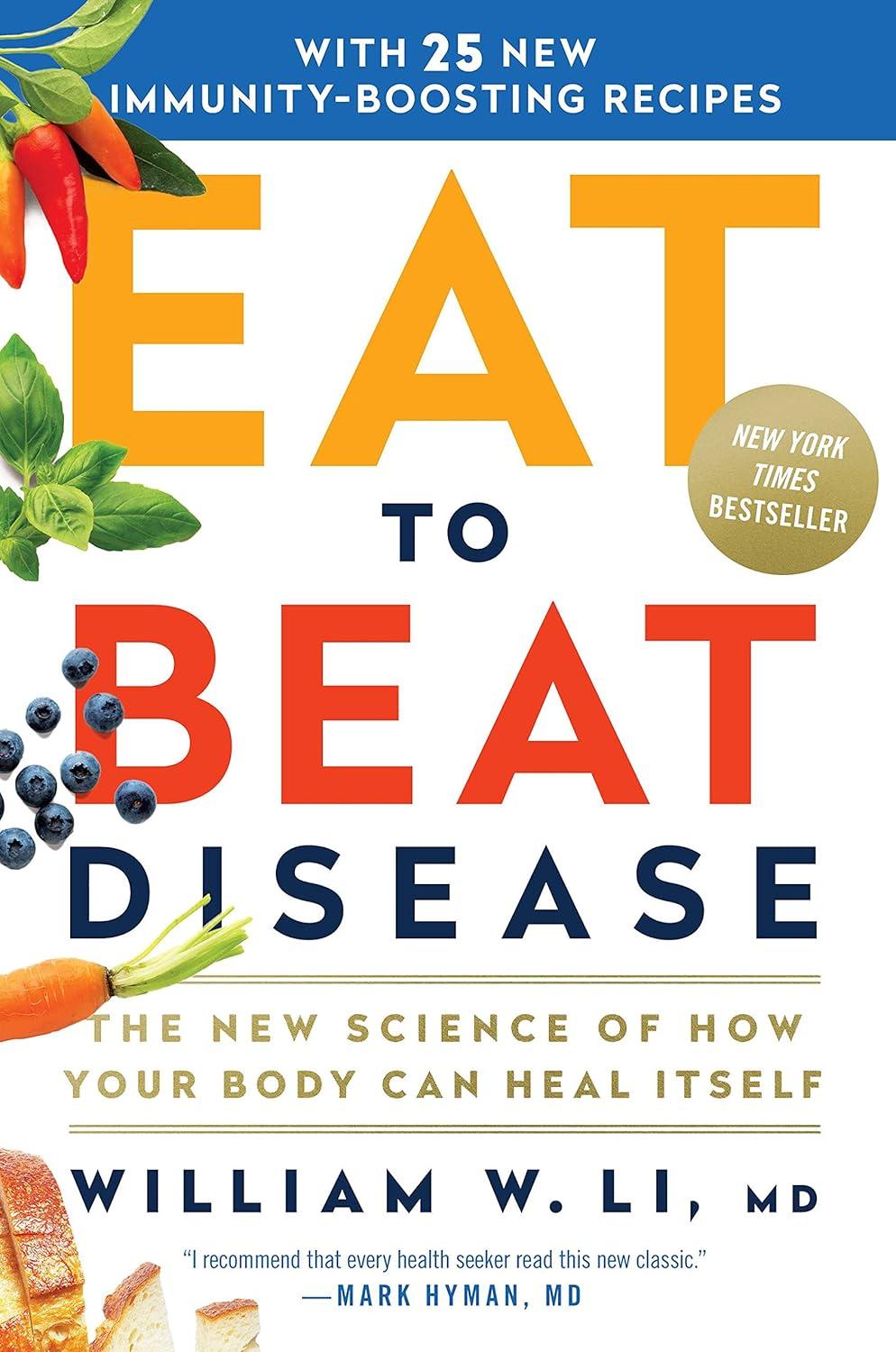
Welcome to our latest deep dive into health and wellness. Today,we’re excited to share our firsthand experience with a groundbreaking book that’s reshaping how we think about food and healing: Eat to Beat Disease: The New Science of How Your Body Can Heal Itself. As curious health enthusiasts, we approached this bestseller with an open mind, eager to uncover the secrets behind food’s potential to combat diseases like cancer, dementiaand other avoidable conditions.
what struck us right from the start was the book’s fresh outlook-it’s not about restrictions or avoiding certain foods, but rather about empowering ourselves with the science-backed knowledge of how specific foods can activate our body’s natural defense systems. Throughout our exploration, we discovered that our bodies are far more resilient and capable of healing then we frequently enough realize. With practical guidance on incorporating over 200 vibrant foods-think plums, cinnamon, black beansand San Marzano tomatoes-into our daily routines, we felt motivated to take control of our health in a appetizing and sustainable way.
In this review,we’ll delve into the fascinating science Dr. William Li presents,share the strategies that resonated most with us,and discuss how this book has transformed our approach to nutrition. Join us as we explore how Eat to Beat Disease can be a game-changer in your wellness journey-showing that, indeed, the power to heal from within is in our hands.
Table of Contents
Discovering the Power Within: Our Journey into the Science of Healing with Eat to Beat Disease

When we first picked up Eat to beat Disease: The New Science of How your Body Can Heal Itself, we knew it was more than just a cookbook. It’s a transformative guide that dives deep into the incredible power of food to support our body’s natural defenses. The author, Dr. William Li, presents groundbreaking scientific insights in a way that’s easy to understand and inspiring. This book isn’t about dieting or restriction; it’s about harnessing the healing potential of over 200 superfoods to fight diseases like cancer,dementia,and cardiovascular issues.
As we explored the pages, it became clear that this book is a revolutionary approach to health. It explores five key systems-angiogenesis,regeneration,microbiome,DNA protection,and immunity-that we can actively boost through strategic food choices. Foods like black beans, San Marzano tomatoes, olive oiland even cinnamon are highlighted not just as nutritious ingredients but as vital tools to activate our body’s defenses. It’s empowering to learn that small,everyday changes in what we eat can have profound effects on long-term health,making this book a practical and scientific roadmap to discovering the power within ourselves.
Unveiling the Heart of the Book: Key Features and Insights that Changed Our Perspective
When we first dove into this book, we weren’t just expecting a list of healthy foods; we were looking for a revolutionary approach to wellness. The main keyword here is “Eat to Beat Disease,” as that’s exactly what this book demonstrates. It’s packed with scientifically-backed insights about how the foods we love-like plums, cinnamonand olive oil-can activate our body’s natural defenses. the author, Dr. William Li, breaks down complex biological processes into clear, everyday language, making the science accessible and practical.
One of the most eye-opening features is how the book categorizes foods based on their ability to support specific defense systems, such as regeneration, immunityand microbiome health. For example, did you know that red wine and beer contain compounds that help combat inflammation and support vascular health? Or that black beans boost microbiome diversity, which is crucial for overall resilience? The book doesn’t just tell you what to eat; it provides specific strategies and dosages, like how to include these foods synergistically in your diet to activate your body’s healing powers. It’s a game-changer in understanding how everyday foods can be tools for disease prevention.
Beyond the science, what really stood out was the practical approach to integrating these foods into everyday life. Instead of being restrictive, the book encourages us to enjoy the foods we love while enhancing health. It dispels myths about food restrictions and instead highlights how a diverse,colorful plate can serve as medicine. we found ourselves rethinking meal planning and grocery shopping, inspired by the idea that food can be both delicious and healing. “Eat to Beat Disease” shifts the perspective from reactive healthcare to proactive wellness, empowering us to use food as a natural defense system.
Diving Deep into the Strategies: How this Guide Transformed Our Approach to Nutrition and Wellness
When we first picked up Eat to Beat disease, we weren’t just looking for another book on healthy eating. We were hungry for a new understanding of how the foods we love could actively help our bodies heal and protect us against disease. The main keyword here is “how this guide transformed our approach to nutrition and wellness,” and honestly,it did just that. The detailed explanations about the science of healing through food opened our eyes to an entirely different way of thinking about nutrition. It’s not just about avoiding harm, but about actively empowering our bodies through smart food choices rooted in evidence-based science.
What really set this guide apart is its focus on practical strategies that seamlessly integrate into everyday life. Such as, learning how to incorporate antioxidant-rich foods like blueberries or immune-boosting items like garlic into our meals became straightforward and even exciting. The book emphasizes that it’s not about restrictions but about adding in healing foods that support our defense systems. This approach has shifted our mindset from calorie counting to choosing foods that can actually starve cancer cells,protect DNA,and enhance microbiome health-all backed by scientific research. It’s a game-changer for anyone serious about transforming their health through nutrition.
From a performance standpoint,using these strategies has made a noticeable difference in our energy levels,mood,and overall resilience. Our experience confirms that understanding the science behind these foods leads to more intentional eating habits that aren’t only nourishing but also healing. The practical tips for daily meal planning and incorporating foods like olive oil, tomatoesor herbal teas mean we’re continuously optimizing our health in simple, sustainable ways. This isn’t about fad diets or drastic changes but about empowering ourselves with knowledge-knowing which foods activate our body’s natural healing systems like angiogenesis and immunity. That insight alone has truly transformed how we plan meals and view food’s role in wellness.
If you’re seeking a reliable, science-backed guide to enhance your health and longevity, this book is a must-have. It teaches us to see food as medicine and a tool for prevention rather than just sustenance. Incorporating the detailed strategies from this guide into our daily routine turned our approach from reactive to proactive, making health a continuous journey of growth. We now understand that food can be a powerful ally in fighting off disease and maintaining vitality well into our later years. with practical advice,inspiring science,and real stories,this book has genuinely revolutionized our approach to nutrition and wellness.
Ready to start your own journey? Check the latest price and details:

Take the step to transform your health today. Get it now on Amazon.
Personal Reflections and Practical Tips: How We Incorporate Its wisdom into Our Daily Lives
After diving into “Eat to Beat Disease,” we’ve realized that understanding the science behind food’s healing powers truly changes the way we approach meals. We’ve started paying closer attention to the diverse array of healing foods like black beans, San Marzano tomatoesand olive oil that Dr.William Li highlights. Instead of viewing healthy eating as a chore, we now see it as an exciting daily adventure-finding new ways to include these powerhouse ingredients in our pantry.For us, integrating these foods doesn’t mean overhauling everything but simply tweaking our usual recipes to boost their healing benefits.Just a handful of walnuts or a splash of olive oil can make a difference, and that mindset helps us stay consistent and motivated.
One practical tip we’ve adopted is meal planning around immunity-boosting foods. We create weekly menus that spotlight different foods from the book, like cinnamon for added flavor or jasmine tea as a soothing beverage. Keeping a list of health-promoting foods on hand helps us make smarter grocery choices and ensures we have options ready to support our body’s defense systems-whether it’s microflora health, DNA protectionor immune response. Plus, we remind ourselves that it’s not about perfect eating every day but about consistently nourishing our bodies with these scientifically supported foods. Employing small habits, like adding slices of tomato to sandwiches or drizzling olive oil over salads, bridges the gap between knowledge and everyday action, strengthening our resilience over time.
Customer Reviews Analysis
Customer Reviews Analysis
As we sifted through a diverse range of reader feedback on Eat to Beat Disease, several common themes emerged that highlight the overall reception of the book. Our review of customer comments reveals a mixture of enthusiasm, curiosityand constructive critique, providing a nuanced perspective on how this science-backed guide resonates with its audience.
Positive Highlights
Many readers appreciated the accessible presentation of complex scientific concepts. They expressed appreciation for the practical dietary tips that empower readers to take actionable steps towards better health. Several reviews noted that the book sparked a new interest in immunity and inspired dietary changes that felt achievable and evidence-based.
Constructive Feedback
Some customers pointed out that, while informative, the book occasionally lacked depth in certain scientific explanations. Others mentioned a desire for more specific meal plans or recipes to complement the general advice. A few also felt that individual results varied and that the book could benefit from including more personalized guidance.
Overall Sentiment
Taking all reviews into account, the consensus tilts toward a positive reception-appreciating its innovative approach and engaging style while noting areas for enhancement. the book seems to succeed in inspiring curiosity about how diet influences health, though some readers sought more detailed or customizable content.
| Customer Feedback | Highlights | Suggestions |
|---|---|---|
| “Great eye-opener on immune health!” | Accessible explanations, inspiring ideas | More detailed recipes |
| “Loved the practical tips.” | Actionable dietary advice | personalized plans |
| “A bit superficial in parts.” | Engaging writing style | In-depth science background |
| “Started changing my diet promptly.” | Motivational content | Long-term guidance |
Pros & Cons
Pros & cons
Pros
- Evidence-Based Insights: Highlights over 200 foods scientifically shown to boost health and fight disease.
- Practical Guidance: Offers clear strategies on how to incorporate healing foods into everyday meals without drastic dietary changes.
- Holistic Approach: Emphasizes strengthening body systems like immunity, microbiomeand DNA protection for overall well-being.
- empowerment: Reframes our understanding of food’s role in healing, inspiring confidence in personal health choices.
- Accessible Language: Explains complex science in a reader-kind manner, suitable for both novices and health enthusiasts.
Cons
- Dense Content: The extensive scientific detail may be overwhelming for some readers seeking swift tips.
- Focus on Prevention: Primarily geared toward disease prevention, less emphasis on managing existing health conditions.
- availability of Foods: Some recommended foods or dosages might not be easily accessible or affordable for all readers.
- Need for Personalization: While informative, individual health needs may require tailored advice beyond the book’s general guidance.
| Pros | Cons |
|---|---|
| Scientific backing for food choices | Data can be dense and detailed |
| Clear strategies for integrating foods | Less focus on existing health conditions |
| Empowers proactive health | some foods may be hard to find or pricey |
| Accessible language for broad audiences | May require personalization for individual needs |
Q&A
Q&A Section for “Eat to Beat Disease: The New Science of how Your Body Can Heal Itself” Review
Q1: What makes ”Eat to Beat Disease” stand out among other nutrition books?
A1: We believe “Eat to Beat Disease” stands out because it is rooted in rigorous scientific research and presents a revolutionary perspective: that food isn’t just fuel or something to avoid, but a powerful tool to activate our body’s innate defense systems. The book offers concrete strategies and evidence-backed information on over 200 foods that can help prevent and combat diseases like cancer, dementiaand cardiovascular conditions. Its holistic approach and practical guidance make it more than just a theory – it’s a roadmap to harnessing food for healing.
Q2: Who would benefit most from reading this book?
A2: We think this book is valuable for anyone interested in taking a proactive approach to health, whether you’re managing a chronic condition, seeking to boost your immunityor simply eager to learn how your diet can serve as medicine. it’s especially helpful for those looking to make informed food choices based on scientific facts rather than myths.With uncomplicated explanations and practical tips, it appeals to both health enthusiasts and newcomers alike.
Q3: Dose the book tell us what foods to avoid?
A3: Interestingly, “Eat to Beat Disease” isn’t about restriction or avoidance. instead, it focuses on emphasizing the foods that support your body’s natural defenses. The goal is to empower us with knowledge about which healing foods to add to our diet, integrating them seamlessly into our existing routines rather than eliminating foods entirely.
Q4: Can the strategies in the book be tailored to different lifestyles or diets?
A4: Absolutely. The book lays out versatile, science-backed strategies that can be adapted to any diet or lifestyle. Whether you prefer plant-based meals, Mediterranean eatingor more conventional approaches, the principles can be incorporated easily. The emphasis is on small, consistent changes-adding select foods to enhance your body’s resilience.
Q5: How accessible is the scientific information presented in the book?
A5: We find that the authors do an excellent job of translating complex scientific concepts into understandable language without oversimplifying. The explanations about how foods activate systems like microbiome health, DNA protectionand immunity are thorough yet clear, making it accessible for all readers committed to understanding their health at a deeper level.
Q6: Are there practical tools or frameworks within the book?
A6: Yes, the book introduces the 5x5x5 framework-a simple, memorable plan that helps us implement these healing foods regularly and effectively. This practical tool simplifies the process of integrating new dietary habits and tracking our progress, making the science actionable.
Q7: Would we recommend this book to someone with existing health conditions?
A7: We believe it’s a valuable resource for individuals with health concerns or those seeking preventative measures. While it’s not a substitute for medical advice, the evidence-based insights can inform conversations with healthcare professionals and inspire positive dietary adjustments to support healing and resilience.
Q8: How does the book approach the idea of pleasure and enjoyment in eating?
A8: We appreciate that “Eat to Beat Disease” encourages us to rediscover the joy of eating. It highlights that healthful foods can also be delicious and satisfying, emphasizing that nourishing our bodies doesn’t mean sacrificing flavor. The book celebrates food as a source of pleasure and wellness.
Q9: Is this book suitable for someone new to nutritional science?
A9: Definitely. While it provides detailed scientific insights, it’s designed to be approachable for readers without a background in science. The engaging writing and practical tips make it accessible and inspiring for beginners eager to improve their health through diet.
Q10: Would we consider this a must-read in the realm of health and nutrition books?
A10: Without a doubt. We see “Eat to Beat Disease” as a groundbreaking guide that shifts the narrative around health and food. Its evidence-based approach, combined with practical strategies, makes it a valuable addition to any health-conscious person’s library-and a compelling reason to rethink what our food can do for us.
Elevate Your Lifestyle
As we wrap up our deep dive into Eat to Beat Disease, it’s clear that this book challenges many longstanding assumptions about how our bodies can heal and thrive through the right foods.The groundbreaking science and practical strategies presented by Dr. William Li remind us that we hold significant power over our health-power that’s accessible and actionable with the foods we choose every day. Whether you’re looking to prevent disease, boost resilience, or simply eat more mindfully, this book offers invaluable insights grounded in the latest research.
If you’re inspired to take charge of your health and unlock the healing potential of your diet, we highly recommend diving into this transformative guide. Remember, the journey to better well-being begins with what’s on your plate.
Ready to start your path toward optimal health? Click here to get your copy of Eat to Beat Disease and discover the science-based foods that can help you heal from within.