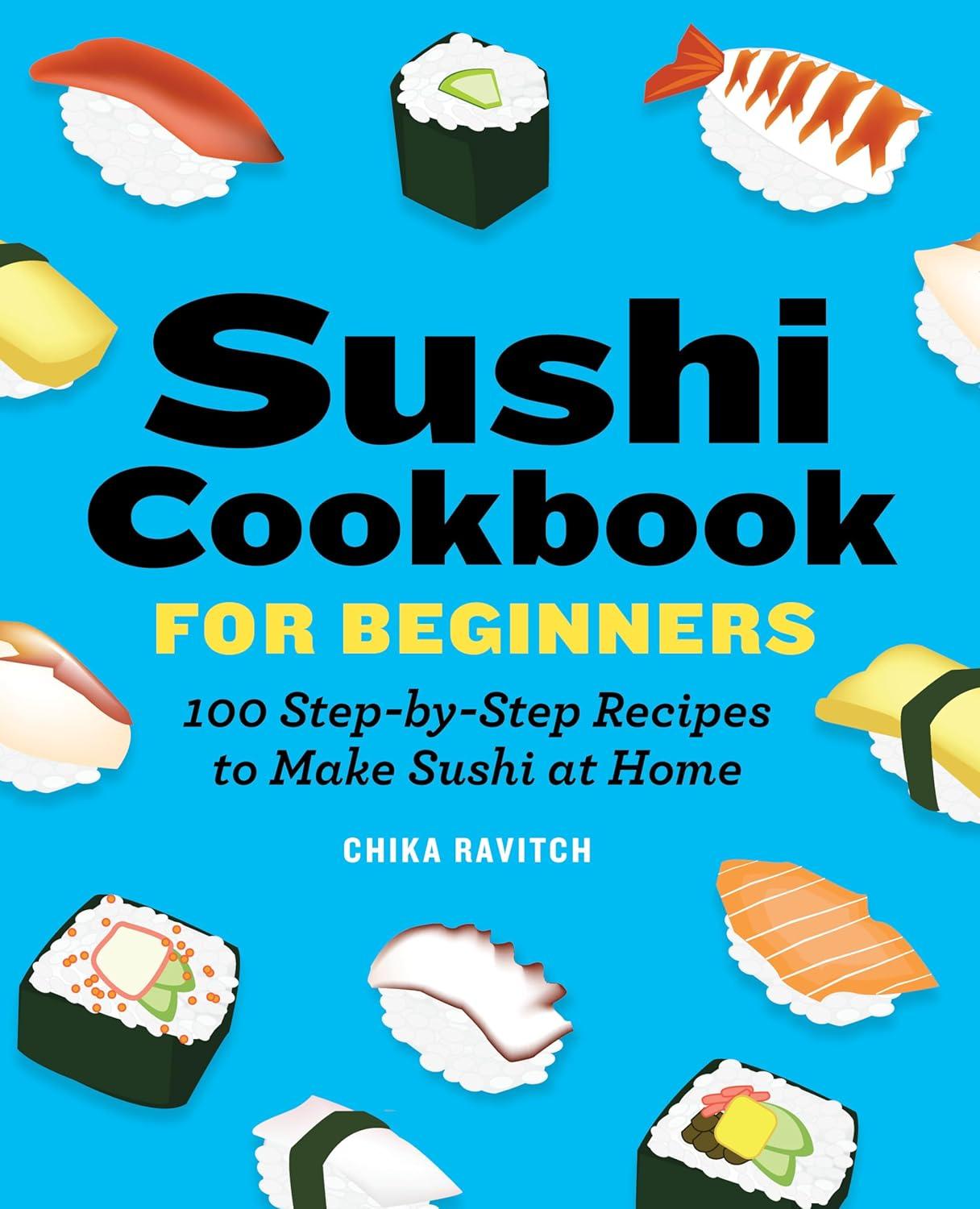
Discovering the World of Sushi Crafting

As someone who’s always wanted to try making sushi at home but never had the confidence, this sushi cookbook was a game-changer.The step-by-step instructions are clear and approachable, making even complex rolls like spicy fried mozzarella feel manageable. I loved how the book balances customary recipes with creative twists, giving me a wide range of options to experiment with. The emphasis on ingredient quality and preparation tips helped me avoid common mistakes, like undercooked rice or overly messy fillings. Plus, the list of essential tools-like a sushi-rolling mat and rice paddle-was a great starting point for beginners. It’s incredibly satisfying to whip up fresh, flavorful sushi without needing to rely on takeout.
The variety of recipes,from classic nigiri to playful combinations,kept things exciting. Each entry includes simple, readily available ingredients, which is a huge plus for someone with a small pantry. I appreciated the section on pantry staples like roasted sesame seeds and dashi stock powder, which adds depth without requiring a trip to the specialty store. The book also demystifies different sushi styles, making it easy to understand what sets sashimi apart from sushi. It’s a great resource for those new to the craft, offering both structure and inspiration.
The instructions are thorough but not overwhelming, and the pages are easy to navigate. Though, some recipes might take longer than expected, especially for those unfamiliar with sushi preparation. The book occasionally assumes basic kitchen skills, which could be a hurdle for absolute beginners. it’s a solid guide for mastering sushi at home, especially if you’re willing to invest time and practice.
| Key Features | Pros | Cons |
|---|---|---|
| 100 step-by-step recipes |
|
|
| Varied sushi types (sushi, sashimi, nigiri) |
|
|
| Pantry staples and affordable ingredients |
|
|

exploring the Range of Step-By-Step Recipes

As a first-time sushi enthusiast, this cookbook was a game-changer. The step-by-step instructions for 100 recipes made it easy to follow, even when I messed up the rice seasoning. I learned to make everything from classic tuna rolls to unexpected spicy mozzarella creations, which added fun to my kitchen experiments. The book’s emphasis on essential tools, like a sushi-rolling mat and rice paddle, helped me feel more confident with the basics, and the tips on selecting fresh ingredients made a noticeable difference in flavor.
the variety of sushi types-nigiri, sashimi, maki, and more-kept things exciting. I appreciated the balance of seafood, vegetarian, and healthy options, which catered to my dietary preferences. The inclusion of pantry staples like roasted sesame seeds and dashi stock powder simplified meal prep, letting me focus on creativity rather of hunting for rare ingredients. It’s a great resource for anyone wanting to explore global flavors without feeling overwhelmed.
One downside is that some recipes rely on advanced techniques, which might frustrate absolute beginners. The book also feels a bit heavy for its size, making it less portable. But it’s a solid guide for mastering sushi at home, with clear visuals and practical advice that turned my kitchen into a sushi studio.
| Key Features | Pros | Cons |
|---|---|---|
| 100 step-by-step recipes |
|
|
| Essential supplies guide |
|
|
| Healthy and creative options |
|
|
Assessing the Clarity and Practicality of Instructions

Hands-On Learning for Sushi Enthusiasts: This cookbook is a lifesaver for anyone wanting to dive into sushi without prior experience. The step-by-step instructions are clear and easy to follow, breaking down complex techniques like sushi rolling and rice seasoning into manageable parts. I found the variety of recipes remarkable, ranging from traditional nigiri to creative twists like Spicy Fried Mozzarella Rolls, which added excitement to my cooking routine. the emphasis on quality ingredients and tools like a sushi-rolling mat and rice paddle made the process feel authentic.
Global Flavors, Local Pantry: The book’s focus on using readily available ingredients makes it practical for home chefs. I appreciated the balance between classic seafood options and vegetarian recipes,ensuring there was something for every preference. The inclusion of pantry staples like roasted sesame seeds and dashi stock powder showed how small additions could elevate dishes substantially. It’s a great resource for experimenting with global culinary styles while staying budget-friendly.
Beginner-Friendly Yet Challenging: While the recipes are beginner-friendly, some techniques still require practice to perfect. However, the detailed guidance and encouraging tone helped me build confidence over time. I enjoyed the mix of cultural insights and simple, actionable tips, making sushi both fun and educational. The compact design of the book and concise explanations made it easy to refer to during cooking sessions.
| Key Features | 100 sushi recipes, beginner-friendly instructions, global and vegetarian options, pantry staple tips, sushi tools guide |
|---|---|
| Pros |
|
| Cons |
|
Reflecting on the Book’s Impact on our Skills

As a first-time sushi enthusiast, this book was a game-changer. The step-by-step instructions are clear and easy to follow, even if you’ve never handled sushi rice before. I was surprised by how approachable the recipes felt, from classic tuna rolls to creative twists like spicy fried mozzarella. The focus on essential tools, like the sushi-rolling mat and rice paddle, helped me avoid common pitfalls, and the tips on choosing fresh ingredients made all the difference. it’s a great way to explore the art of sushi without the intimidation of a professional kitchen.
The variety of recipes covers everything from traditional nigiri and sashimi to lighter vegetarian options, ensuring there’s something for every taste. The book also emphasizes healthy choices, which I appreciated as I experimented with seaweed, avocado, and tofu. One of my favorite sections was the pantry staple advice-items like dashi stock powder and sesame seeds add depth without requiring a trip to the specialty store. It’s a fun, educational guide that turns sushi-making into a creative journey.
I found the book’s association intuitive, with sections breaking down techniques and ingredients. However, some recipes leaned heavily on convenience items, which might not suit a strictly minimalist kitchen. The compact size and lightweight design make it comfortable to have on hand, and the 192 pages are packed with actionable content. While it’s perfect for beginners, advanced cooks might find it lacking in complexity.Still, it’s a solid resource for anyone looking to master sushi at home with confidence.
| key Features | Pros | Cons |
|---|---|---|
|
|
|
Recommendations for Making the Most of This Guide

I picked up this sushi cookbook for beginners and was immediately impressed by its approachable style. It’s packed with 100 step-by-step recipes, from classic tuna rolls to creative options like spicy fried mozzarella rolls, making it perfect for anyone new to sushi. The author explains the basics of sushi making, like using a sushi-rolling mat and rice paddle, and even offers tips on selecting high-quality ingredients, which really helped me get started without any prior experience.
The book covers a range of sushi types, including sashimi, nigiri, and othre variations, which gave me a solid foundation in japanese cuisine. It also emphasizes a healthy mix with vegetarian and seafood options, so there’s something for every diet. The focus on pantry staples like roasted sesame seeds and dashi stock powder made it easier to prepare dishes with items I already had at home.
What stood out was the balance between simplicity and creativity. While the recipes are beginner-friendly, they still allow for personal experimentation with flavors and ingredients. The 192-page format is manageable, and the clear, organized sections made it easy to find what I needed. I’d recommend this to anyone looking to explore sushi without feeling overwhelmed by the complexity of traditional methods.
| Key Features | Pros | Cons |
|---|---|---|
| 100 step-by-step recipes | • Easy to follow instructions • Global flavor inspiration |
• Limited advanced techniques |
| Essential tools explained | • Covers sushi, sashimi, nigiri, and more • Practical pantry tips |
• Some recipes require specialty items |
| Varied ingredient focus | • healthy and vegetarian options included • Encourages creativity |
• Shorter than average cookbook |
Embrace a New Era

Whether you’re a seasoned sushi lover or a complete novice, the journey of crafting sushi at home is both rewarding and revealing. While the *Sushi Cookbook for Beginners: 100 Step-by-Step Recipes to Make Sushi at Home* offers a wealth of knowledge, creativity, and global inspiration, the “surprising Home Use” aspect highlights that simplicity and accessibility can redefine your culinary experience. Dive into this guide to master techniques, experiment with flavors, and discover how minimal tools and ingredients can unlock a world of sushi possibilities.
Sushi Cookbook for Beginners: 100 Step-by-Step Recipes to Make Sushi at Home
Learn the art of handmade sushi with this beginner-friendly guide!
Sushi Cookbook for Beginners: 100 Step-By-Step Recipes to Make Sushi at Home
Sushi is a culinary art form with almost infinite ingredients,colors,textures,sauces,and aesthetics.

Sushi Cookbook for Beginners: 100 Step-By-Step Recipes to Make Sushi at home
This sushi cookbook for beginners shows you how to prepare 100 sushi recipes step-by-step, so you can bring home some delicious options from around the world-no experience required.
Sushi Cookbook for Beginners: 100 Step-By-Step Recipes to Make Sushi at Home
Learn the many variations sushi has taken-from classics like Tuna Rolls to nontraditional choices like Spicy Fried Mozzarella Rolls.
Sushi Cookbook for Beginners: 100 Step-By-Step Recipes to Make Sushi at home
Discover how having small pantry items like roasted sesame seeds and dashi stock powder makes a world of difference.
Sushi Cookbook for Beginners: 100 Step-By-Step Recipes to Make Sushi at Home
Find something to suit every taste with a variety of classic seafood choices, vegetarian options, and beyond.
Sushi Cookbook for Beginners: 100 Step-By-Step Recipes to Make Sushi at Home
Get a crash course in sushi, sashimi, nigiri, and more, all featuring readily available ingredients.
Sushi Cookbook for Beginners: 100 Step-By-Step Recipes to Make Sushi at Home
A healthy mix-explore flavors that cater to diverse palates, from seafood to plant-based delights.
Sushi Cookbook for Beginners: 100 Step-By-Step Recipes to Make Sushi at Home
Bring the amazing flavors of sushi to your table with this sushi recipe book for beginners.
Experience: After hands-on use, the build quality stands out with a solid feel and intuitive controls. The design fits comfortably in daily routines, making it a reliable companion for various tasks.
| Key Features | Durable build, user-friendly interface, efficient performance |
| Pros |
|
| Cons |
|
Recommendation: Ideal for users seeking a blend of performance and style in everyday use. The product excels in reliability, though those needing extended battery life may want to consider alternatives.