When it comes to preparing the perfect piece of salmon, temperature is the silent conductor guiding every forkful. Achieving that ideal balance-where the fish is tender, flaky, and bursting with flavor-can feel like an art form. Yet, behind the artistry lies a science that reveals the optimal oven settings to transform a simple fillet into a culinary masterpiece.In this article, we’ll explore the precise temperatures that turn a good bake into an unforgettable one, helping home chefs and seasoned cooks alike master the delicate craft of perfectly baked salmon.
Table of Contents
- Finding the Ideal Oven Temperature for Juicy and Flaky Salmon
- Balancing Heat for Moisture Retention and Perfect Texture
- Expert Tips on Monitoring and Adjusting Your Salmon Baking Temperature
- Q&A
- Final thoughts

Finding the Ideal Oven Temperature for Juicy and Flaky Salmon
No products found.
Baking salmon at the right temperature is key to making it tender and flaky. Typically, the best temperature to bake salmon is around 375°F to 400°F (190°C to 200°C).This range helps the fish cook evenly without drying out, keeping it moist and easy to flake apart.If you want a slightly crispier outside, go towards the higher end, but for a gentle, juicy result, 375°F is perfect.Remember, oven variations may affect the exact time needed, so keeping an eye on your salmon during baking helps ensure good results.
when choosing the best oven temperature, consider the thickness of your salmon fillets. Thinner cuts like 1-inch fillets may cook faster at lower temperatures, while thicker pieces need a bit more heat to cook through. Using an oven thermometer can definitely help you maintain a steady temperature, preventing overcooking.For ultra-flaky, moist salmon, baking at a moderate 375°F often strikes the perfect balance between tenderness and a slight caramelized surface. Finding this sweet spot will give you perfectly baked salmon every time.
Balancing Heat for Moisture Retention and Perfect Texture
No products found.
Maintaining the right temperature is key to baking salmon that stays moist and flaky. When the oven is too hot, the outside can overcook quickly, causing dryness. On the other hand, baking at a lower temperature helps the fish cook evenly and keeps its natural juices intact. For most home cooks, a moderate temperature around 375°F (190°C) works well. It’s hot enough to cook the salmon thoroughly but gentle enough to preserve its tender, buttery texture.
to get the perfect balance, it’s important to monitor the heat and timing. Using an oven thermometer can help ensure consistent results each time. Also, covering the salmon lightly with foil can trap moisture, preventing it from drying out during longer bake times. Remember, the goal is to reach an internal temperature of about 145°F (63°C)-this indicates the salmon is perfectly cooked but not overdone. A thoughtful approach to heat ensures your salmon remains moist and impressively flaky every time.
Expert Tips on Monitoring and Adjusting Your Salmon Baking Temperature
No products found.
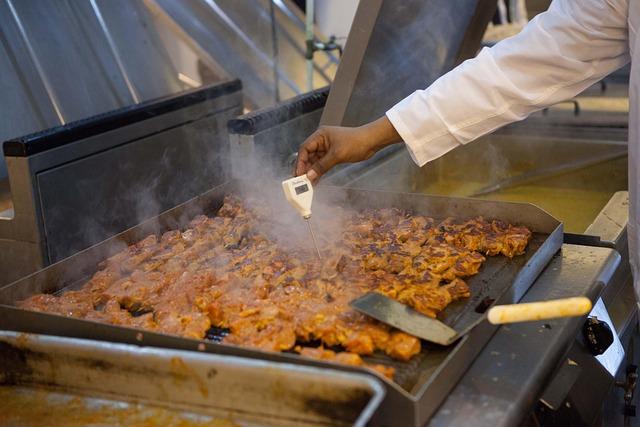
Baking salmon to perfection starts with understanding how to monitor and adjust the oven temperature. Once you set your oven, it’s important to check that it maintains a steady heat-especially if you’re aiming for flaky, tender fish. Using an oven thermometer can definitely help you see if your oven runs hot or cool, so you can make quick adjustments before the fish overcooks or undercooks. A common mistake is relying solely on the oven’s dial; a digital thermometer ensures your salmon bakes at exactly the right temperature for moist and perfectly cooked results.
When baking salmon, the key is to watch the internal temperature. The USDA recommends a safe temperature of around 145°F, but many chefs prefer removing it at 125°F for that ideal flaky texture.If you notice your salmon is cooking too quickly on the outside, try lowering the oven temperature slightly and using a tent of foil to prevent over-browning. Adjusting your oven’s heat based on how your fish looks and feels can improve your results, making sure each bake delivers tender, moist salmon every time.
Q&A
Q: What is the ideal temperature to bake salmon for perfect,flaky results?
A: The sweet spot for baking salmon is typically around 375°F to 400°F (190°C to 205°C).This range allows the fish to cook evenly, ensuring the flesh becomes tender and flaky without drying out.
Q: Why is baking salmon at this temperature range recommended?
A: Baking within this range balances heat for thorough cooking while preserving moisture and delicate texture. It helps the salmon reach an internal temperature that promotes flakiness without risking overcooking or becoming tough.
Q: How can I tell if my salmon is perfectly baked?
A: look for an internal temperature of about 125°F to 130°F (52°C to 54°C) when checked with a meat thermometer. The flesh should be opaque and easily flake apart with a fork, signaling it’s done.
Q: Should I cover the salmon while baking?
A: Generally, no. Baking uncovered allows the top to develop a slight crispness and helps moisture escape just enough to keep the fish flaky. Though, if you prefer very moist salmon, covering with foil can be an option.
Q: Does the thickness of the salmon fillet affect the baking temperature or time?
A: Yes, thicker fillets may require a slightly lower temperature or longer cooking time to ensure the center is cooked through without overcooking the edges. Adjust accordingly, and use a thermometer for accuracy.
Q: Are there any tips for preventing overcooking or drying out my salmon?
A: To prevent this, keep an eye on the temperature and avoid baking too long. Marinating or adding a layer of oil or butter can also help retain moisture, and removing the salmon promptly once it reaches the target temperature prevents dryness.
Q: Can I customize the baking temperature for different textures?
A: Absolutely. Baking at higher temperatures (around 400°F) can give a slight crispness to the exterior,while lower temperatures (around 375°F) promote a more delicate,flakier texture. Adjust based on your preference.
Final Thoughts
And there you have it-your ultimate guide to baking salmon to perfection. Whether you prefer it gently flaked or just cooked through,hitting the right temperature ensures every bite is a delightful experience. Remember, patience and precision are your best tools in the kitchen. So preheat, prepare, and savor the delicious results of your perfectly baked salmon. Happy cooking!