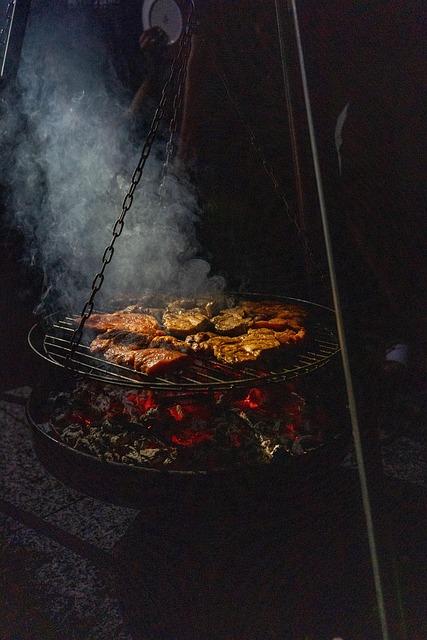
When it comes to satisfying both the palate and the senses, few cuts of meat boast the versatility and flavor punch of flank steak. Known for its rich, beefy taste and lean texture, this cut has become a favorite for grilling fans and home cooks alike. But achieving that perfect balance-tender and juicy, yet richly flavored-can frequently enough feel like an elusive art.Whether you’re preparing a quick weeknight dinner or an impressive dish for guests, understanding the best methods to cook flank steak is key to unlocking its full potential. In this article, we explore the tried-and-true techniques that turn this lean cut into a culinary success, offering insights into methods, tips, and tricks to ensure every bite is tender, juicy, and utterly satisfying.
Table of contents
- Mastering the Perfect Marinade: Unlocking Flavor and Tenderness
- Optimal Cooking Techniques for Juicy, Even Results
- Resting and Slicing: The Keys to Maximum Tenderness and Moisture
- Q&A
- To Conclude

Mastering the Perfect Marinade: Unlocking Flavor and Tenderness
- INDULGE IN EXCEPTIONAL FLAVOR: Indulge in our exceptional, melt-in-your-mouth tender Beef Tenderloin tips. Each order includes 5 packages weighing 1 lb each, exquisitely cut from our finest aged Beef Tenderloin. This ensures that every bite delivers a luxurious dining experience, leaving you craving more.


- Amazon Kindle Edition

When it comes to the best way to cook a flank steak,a flavorful marinade is key. this step not only enhances the taste but also helps break down tough fibers, making the meat tender and juicy. A good marinade usually combines acids like vinegar or citrus, along with garlic, herbs, and a touch of oil. Let the steak soak for at least 2 hours, or ideally overnight, to maximize flavor absorption and tenderness. This ensures every bite is packed with savory goodness.
Choosing the right marinade ingredients can make all the difference. Look for balance-too much acid can make the meat mushy, so add just enough to tenderize without overpowering. Popular choices include soy sauce, balsamic vinegar, or lime juice. Incorporating ingredients like honey or brown sugar can provide a subtle sweetness that caramelizes nicely when cooked. Remember, a well-marinated flank steak retains moisture better and develops a richer flavor profile, giving you tender, juicy results every time.

Optimal Cooking Techniques for Juicy, Even Results
- INDULGE IN EXCEPTIONAL FLAVOR: Indulge in our exceptional, melt-in-your-mouth tender Beef Tenderloin tips. Each order includes 5 packages weighing 1 lb each, exquisitely cut from our finest aged Beef Tenderloin. This ensures that every bite delivers a luxurious dining experience, leaving you craving more.
- Amazon Kindle Edition
When it comes to cooking a flank steak to be both tender and flavorful, the key is using the right technique from the start. Grilling or pan-searing are popular methods because they create a nice, caramelized crust while keeping the inside juicy. Starting with a hot surface helps lock in moisture and adds a delicious smoky flavor if grilling. Make sure to preheat your grill or skillet well before placing the meat on it, as a high temperature creates that perfect sear. For best results, cook the steak to medium-rare or medium to ensure it remains tender without drying out. Rest the meat after cooking for about 5 minutes to let the juices redistribute evenly throughout the steak.
Another important tip is to slice the flank steak against the grain. This breaks up the muscle fibers and makes each bite softer and easier to chew.If you’re broiling or using an oven, opt for a high-heat setting to mimic the searing process quickly.Marinating beforehand can also help tenderize the meat and boost flavor, especially if you prefer a more intense taste. always pay attention to the thickness of your steak. thinner cuts cook evenly and faster, reducing the chances of overcooking and ensuring juicy, consistent results every time.
Resting and Slicing: The Keys to Maximum Tenderness and Moisture
- INDULGE IN EXCEPTIONAL FLAVOR: Indulge in our exceptional, melt-in-your-mouth tender Beef Tenderloin tips. Each order includes 5 packages weighing 1 lb each, exquisitely cut from our finest aged Beef Tenderloin. This ensures that every bite delivers a luxurious dining experience, leaving you craving more.
- Amazon Kindle Edition
Once you’ve cooked your flank steak to perfection, don’t rush straight to cutting. Resting the meat is crucial for keeping the juices inside. Let the steak sit for about 5 to 10 minutes after cooking. This gives the fibers time to relax,which helps retain moisture. A properly rested steak is much juicier and easier to cut, ensuring every bite is tender and flavorful.
when it’s time to slice, do so against the grain.This means cutting perpendicular to the muscle fibers, which shortens the strands and makes each piece easier to chew. Use a sharp knife for clean cuts-dull blades can tear the meat and lose precious juices. proper resting and slicing techniques turn a good flank steak into a truly memorable meal with maximum tenderness and moisture.
Q&A
Q: What is the best method to cook a flank steak for tender, juicy results?
A: The ideal approach combines marinating the steak to enhance tenderness and flavor, followed by high-heat cooking techniques like grilling or broiling to develop a flavorful crust. Finishing with proper resting ensures the juices distribute evenly, resulting in a tender, juicy bite.
Q: How should I prepare my flank steak before cooking?
A: Start by marinating the steak for at least 2 hours, or overnight if possible. Use a marinade with acidic components like vinegar or citrus to break down muscle fibers,along with herbs and spices for added flavor.Also, bring the steak to room temperature before cooking to ensure even heat penetration.
Q: What cooking temperature is best for flank steak?
A: Flank steak is best cooked quickly at high heat-aim for a sizzling grill or broiler setting. The internal temperature should reach about 125°F (52°C) for medium-rare to maximize tenderness and juiciness.
Q: Should I cook flank steak with indirect or direct heat?
A: Direct high heat is recommended to quickly sear the outside, developing a caramelized crust. After surface searing,you can move it to indirect heat if needed to prevent overcooking,especially for thicker cuts.
Q: How long should I cook flank steak?
A: usually, 4-6 minutes per side on a hot grill or broiler will suffice for medium-rare. Adjust the time based on thickness, aiming to keep the internal temperature within the recommended range for your preferred doneness.
Q: What’s the best way to cut flank steak after cooking?
A: Always slice against the grain-look for the direction of the muscle fibers-and cut into thin strips. This technique shortens the muscle fibers, making the steak easier to chew and maximizing tenderness.
Q: How do I keep my flank steak juicy after cooking?
A: Rest the meat for about 10 minutes after removing it from heat. Resting allows the juices to redistribute throughout the steak, preventing them from pouring out when sliced and maintaining moisture.
Q: Are there any serving suggestions to enhance the flavor of flank steak?
A: Yes-consider serving with fresh chimichurri, a tangy salsa, or a squeeze of lemon to add brightness. Pair it with grilled vegetables or a light salad for a balanced, flavorful meal.
Q: Can I prepare flank steak ahead of time?
A: Absolutely. Marinate the steak in advance to deepen flavor and tenderness. Once cooked and rested, it can be stored in the refrigerator for up to two days and reheated gently or sliced cold for salads or sandwiches.
Q: What common mistakes should I avoid when cooking flank steak?
A: Avoid overcooking, which can make the meat tough; skipping the rest period, which leads to juicy loss; and slicing with the grain, which results in chewy bites. Proper marination, high heat, and correct slicing are key.
To Conclude
In the quest for the perfect flank steak,method and mastery go hand in hand. Whether you choose to grill over high heat, sear in a hot skillet, or finish in the oven, understanding and applying the right techniques can transform a simple cut into a tender, juicy masterpiece. Remember, patience with marination, precise timing, and proper slicing against the grain are your trusted allies in achieving culinary success. So go ahead-embrace these tips,experiment with flavors,and enjoy crafting a flank steak that’s as satisfying to prepare as it is to savor. After all, great meals are the result of thoughtful techniques and a dash of culinary confidence.