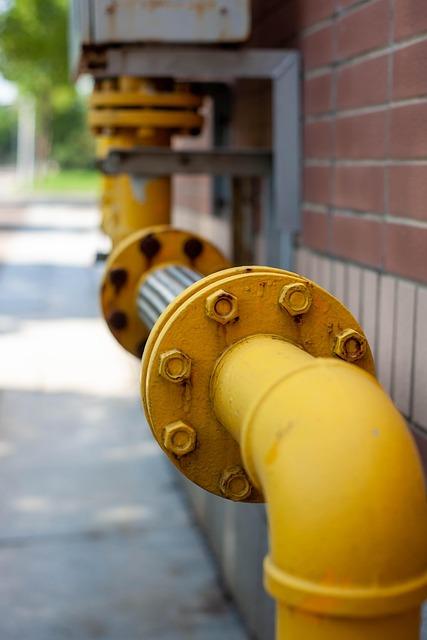
Winter’s icy grip can turn a cozy home into a potential nightmare, with frozen pipes threatening to burst and unleash chaos just when you least expect it. Navigating the delicate balance between thawing out those frozen arteries and safeguarding your property requires more than just guesswork-it calls for knowledge, preparednessand a calm approach. In this article, we explore effective strategies to unfreeze your pipes safely and keep your home protected and dry, ensuring that the chill of winter doesn’t turn into a flood of trouble.
Table of Contents
- Understanding the Signs of Frozen Pipes and When to Take Action
- Effective Techniques to safely Thaw Pipes Without Causing Damage
- Preventive Measures and Maintenance Tips to Keep Pipes from Freezing in cold Weather
- Q&A
- Wrapping Up
Understanding the Signs of Frozen Pipes and When to Take Action
No products found.
If your pipes are frozen, you might notice certain warning signs. The most common one is a noticeable lack of water coming from your faucets, even though the faucet itself is turned on. You might also see frost on exposed pipes or feel that pipes are hard or cold to the touch. Sometimes, you’ll hear unusual sounds like banging or clunking from the pipes, which can indicate ice blocking the flow. Recognizing these signs early can help prevent serious damage and costly repairs.
Taking quick action is key once you suspect frozen pipes. When you notice these warning signs, avoid using hot water or a blowtorch directly on the pipes. Instead, start by opening the faucet slightly to relieve pressure. You can use safe heat sources like a hair dryer or space heater to warm the pipe gradually. Remember, the goal is to melt the ice safely to restore water flow without causing pipe damage. Early intervention is crucial to keep your home safe and dry.
Effective Techniques to Safely Thaw Pipes Without Causing Damage
No products found.
When your pipes freeze, the first step is to act carefully to prevent bursting or water damage. Start by opening cabinet doors under sinks to let warm air circulate around the pipes. Applying gentle heat with a hair dryer or a portable space heater can gradually thaw the frozen section. Avoid using open flames or high-heat sources, as these can damage pipes or create fire hazards.If you notice a blockage or suspect a burst, turn off the main water supply immediately to minimize damage.
Using the right tools and techniques can make all the difference. Consider investing in a pipe insulation kit, which helps prevent future freezing.When thawing, use a heating pad or electric heat wrap around specific pipes, especially in unheated areas like garages or attics. always keep a water dripper running slightly if you expect freezing temperatures to keep water moving through the pipes. Proper thawing methods not only resolve the immediate problem but also help keep your home safe and dry, reducing costly repairs later.
Preventive Measures and Maintenance Tips to Keep Pipes from Freezing in Cold Weather
No products found.
Keeping your pipes from freezing begins with preventative care. Start by insulating pipes in unheated areas like basements, atticsand garages.Using foam pipe insulation sleeves is a simple way to add a buffer against the cold. Also, consider installing heat tape or heated cables on vulnerable pipes for extra protection. These products help maintain a consistent temperature, especially during severe cold snaps. Regular inspections can catch small issues early,like cracks or leaks,before they turn into major problems.
Consistent maintenance can make a big difference in avoiding frozen pipes. Letting cold water drip slowly from faucets can keep water flowing and prevent freezing. During very cold weather, open cabinet doors under sinks to allow warmer air to reach pipes. If you’ll be away or expect a freeze, draining outdoor hoses and shutting off external water supply lines help protect your plumbing. Making these small,smart adjustments can save you from costly repairs and water damage caused by burst pipes.
Q&A
Q: What are the most common causes of frozen pipes in homes?
A: Frozen pipes frequently enough occur during cold weather when temperatures drop below freezing, especially if a home isn’t adequately insulated. Other factors include drafts from unsealed windows or doors, poorly insulated pipes-particularly those in unheated areas like garages or basements-and prolonged periods of cold spells.
Q: How can I tell if my pipes are frozen?
A: Signs include feeling a lot of resistance when turning on the faucet, water flow that is weak or nonexistent, strange noises like banging or gurgling coming from the pipesor visible frost on exposed pipes.
Q: What’s the safest way to unfreeze a pipe?
A: Start by turning on the faucet to relieve pressure and allow melting water to escape. Then, apply gentle, steady heat to the frozen section using a hairdryer, electric heating pador warm towels-avoiding open flames or high-heat devices which can damage pipes or cause fires.Always work from the faucet toward the frozen part to direct melting water away from potential cracks.
Q: Are there any precautions I should take during the process?
A: Yes. Never use torch burners or open flames-they’re fire hazards. Be cautious about electrical safety when using appliances like hairdryers,especially near water. Also,avoid applying excessive heat that could cause the pipe to crack. patience is key-gradually warming the pipe prevents additional damage.
Q: How can I prevent my pipes from freezing in the future?
A: Insulate exposed pipes with foam sleeves or pipe insulation, especially in unheated areas. Keep your home warm-set the thermostat no lower than 55°F (13°C).Allow faucets to drip slightly during cold spells to keep water moving. Seal drafts around windows and doorsand consider letting a small amount of water run overnight if extremely cold weather is forecasted.
Q: What should I do if a pipe bursts after unfreezing?
A: Immediately turn off the main water supply to prevent water damage.If safe, attempt to clear the area and contain water. Contact a professional plumber to repair the burst pipe and assess any additional damage. Dry and clean the affected area promptly to prevent mold growth.
Q: When should I call a professional plumber?
A: If you’re unable to locate or thaw the frozen pipe safely, if the pipe has already burstor if you’re unsure how to proceed, it’s best to seek professional help. Also, persistent freezing despite preventive measures indicates underlying issues needing expert assessment.
Q: How can I maintain my pipes’ health throughout winter?
A: Regularly inspect and insulate pipes, especially in vulnerable areas. Keep your home heated adequatelyand consider installing a home security or monitoring system to alert you to plumbing issues early. Routine maintenance and preparedness can make all the difference in a safe, dry winter.
Q: Why is it important to act quickly when pipes freeze?
A: Quick action minimizes the risk of pipes bursting, which can cause extensive water damage and costly repairs. Prompt intervention can save time, moneyand the stress associated with flooding and home repairs.
Wrapping up
As the icy tendrils of winter retreat, so too should the worry of frozen pipes. By staying vigilant, taking proactive measuresand knowing the right steps to thaw and prevent future freezes, you can protect your home from costly damages and ensure it remains a warm, safe haven. Remember, a little preparation today can save you from a flood of trouble tomorrow-keeping your home secure, dryand cozy all season long.